In a world that is constantly moving, demanding, and unpredictable, many people are searching for peace in the wrong places. They wait for situations to improve, for people to change, or for life to slow down.
But peace doesn’t come from controlling the outside world.
It comes from mastering what is within.
It comes from mastering what is within.
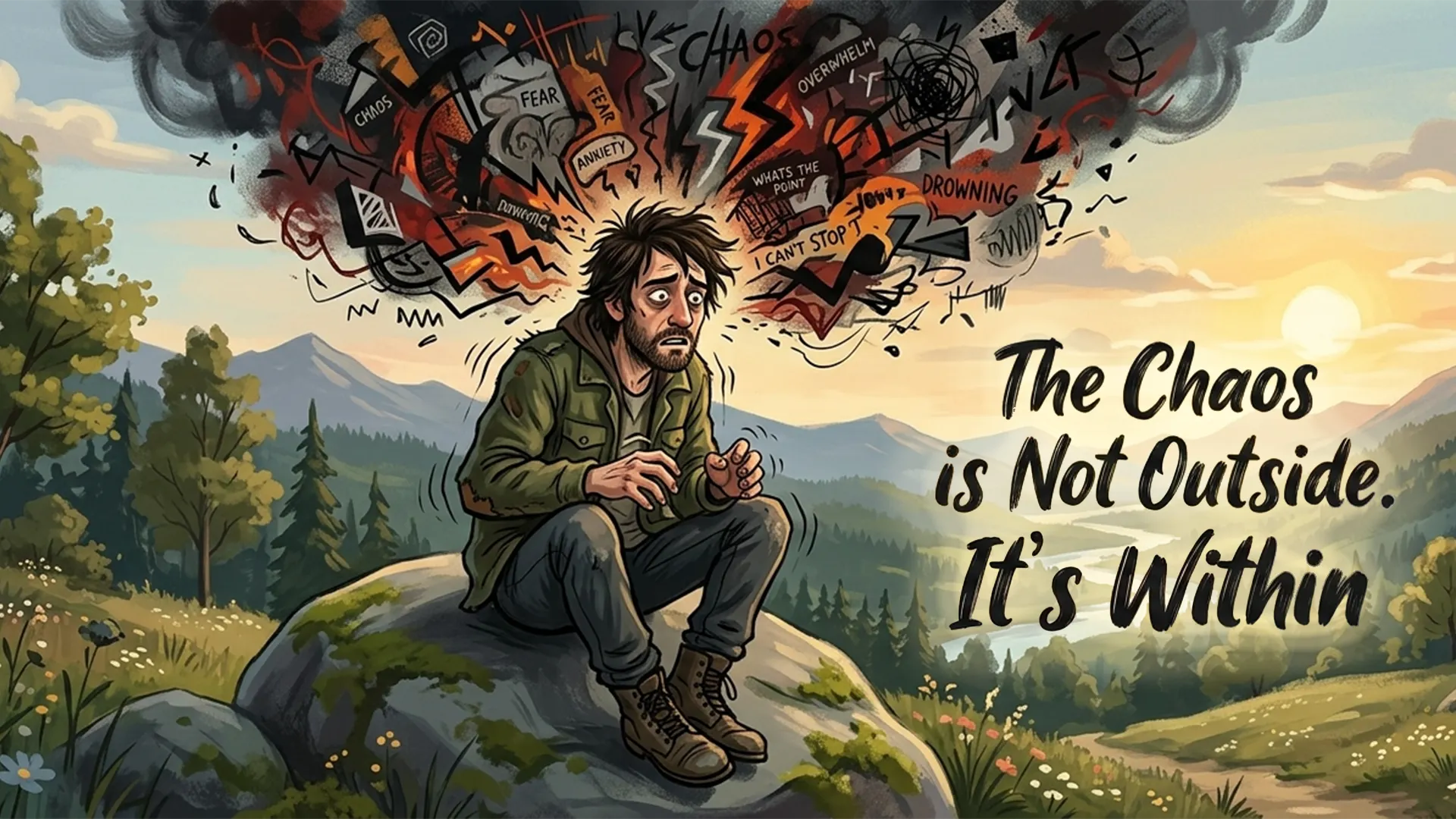
The Chaos is Not Outside—It’s Within
Life has always been uncertain. Challenges, pressures, and emotional triggers are a part of the human experience.
Yet, not everyone is disturbed in the same way.
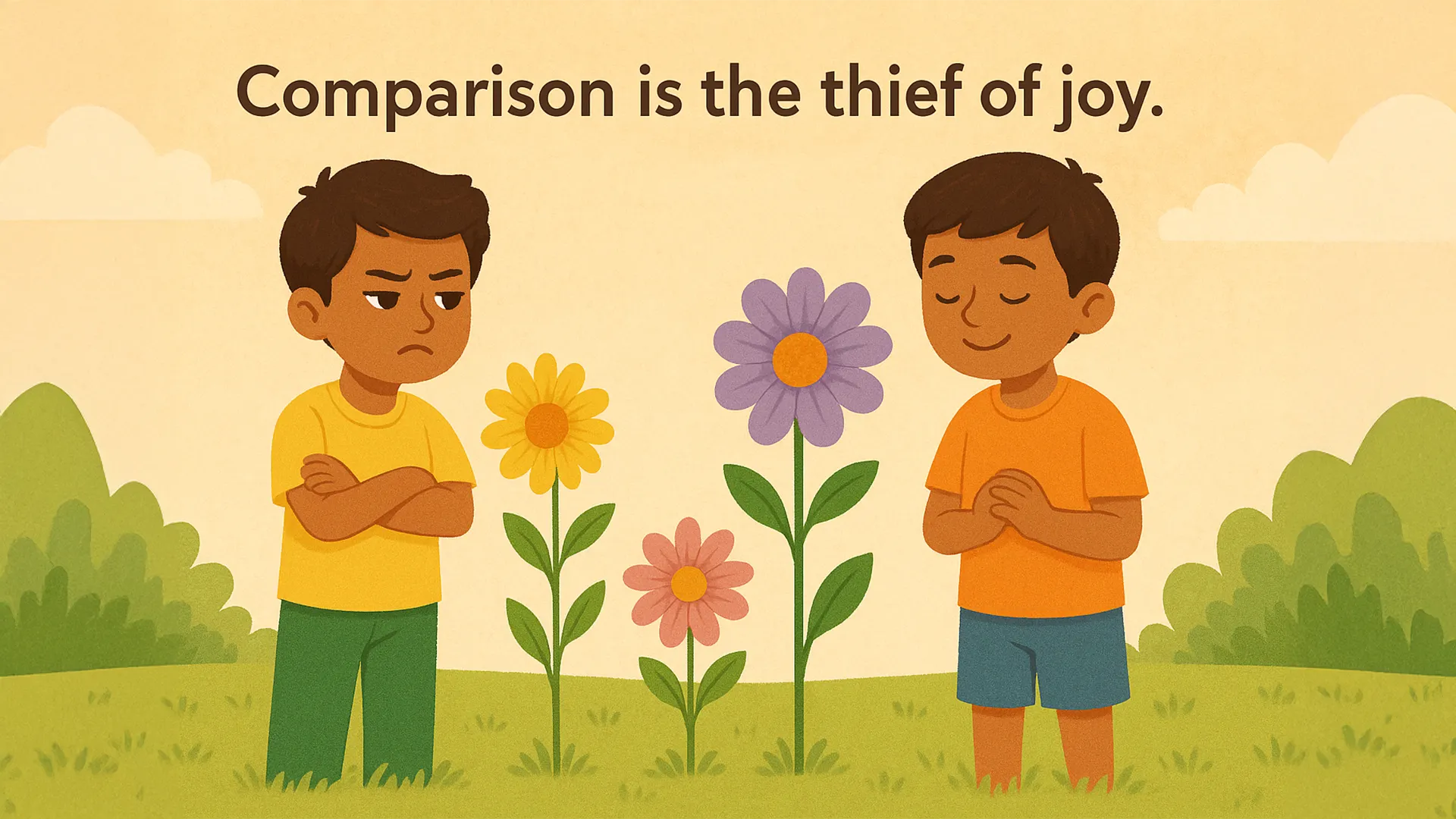
Two people can face the same situation—one feels overwhelmed, the other remains calm. The difference is not the situation itself, but the state of the mind.
When the mind is untrained, it reacts impulsively. It gets pulled into worry, comparison, fear, and overthinking. But when the mind is steady, it responds with clarity and balance.
Your Mind Shapes Your Reality
What you experience is not just what happens to you—it is how you interpret and respond to it. An uncontrolled mind magnifies problems:
- Small issues feel overwhelming
- emotions escalate quickly
- peace feels fragile
A trained mind, on the other hand:
- sees situations more objectively
- pauses before reacting
- chooses responses consciously
This shift alone can transform the quality of your life.
The Power of Observation
One of the most powerful inner practices is learning to observe your thoughts instead of identifying with them.
Instead of saying, “I am anxious,” you begin to notice, “There is anxiety within me.” This small shift creates space. In that space:
- reactions slow down
- clarity emerges
- emotions lose their grip
You move from being controlled by your mind to becoming aware of it.
Meditation: Training, Not Escape
Meditation is often misunderstood as a way to escape reality. In truth, it is a discipline that strengthens your ability to face reality. It helps you:
- redirect attention
- reduce mental noise
- build focus and stability
Over time, meditation trains the mind to remain centred—even when life is not.
The goal is not to avoid challenges, but to meet them with a calmer, clearer mind.
Detachment: Caring Without Losing Yourself
Detachment is not indifference. It is emotional balance. It means:
- You give your best effort
- You care deeply
- But you don’t let outcomes control your inner state
When you are attached to results, your peace rises and falls with success and failure. But when you are detached, you remain steady regardless of the outcome.
This is where true strength lies.
Anchor Your Mind in Something Higher
A restless mind is often one that is constantly chasing validation, outcomes, comparisons, or control.
But when the mind is anchored in something deeper, purpose, values, or a higher sense of meaning, it becomes more stable.
This inner anchoring acts as a foundation. No matter what happens externally, you are not easily shaken.
From Reaction to Conscious Living
Most people live reactively:
something happens → emotions rise → they react
something happens → emotions rise → they react
But a conscious life looks different:
something happens → awareness arises → they choose
something happens → awareness arises → they choose
This ability to pause and choose is what separates chaos from clarity.
A Daily Practice of Inner Strength
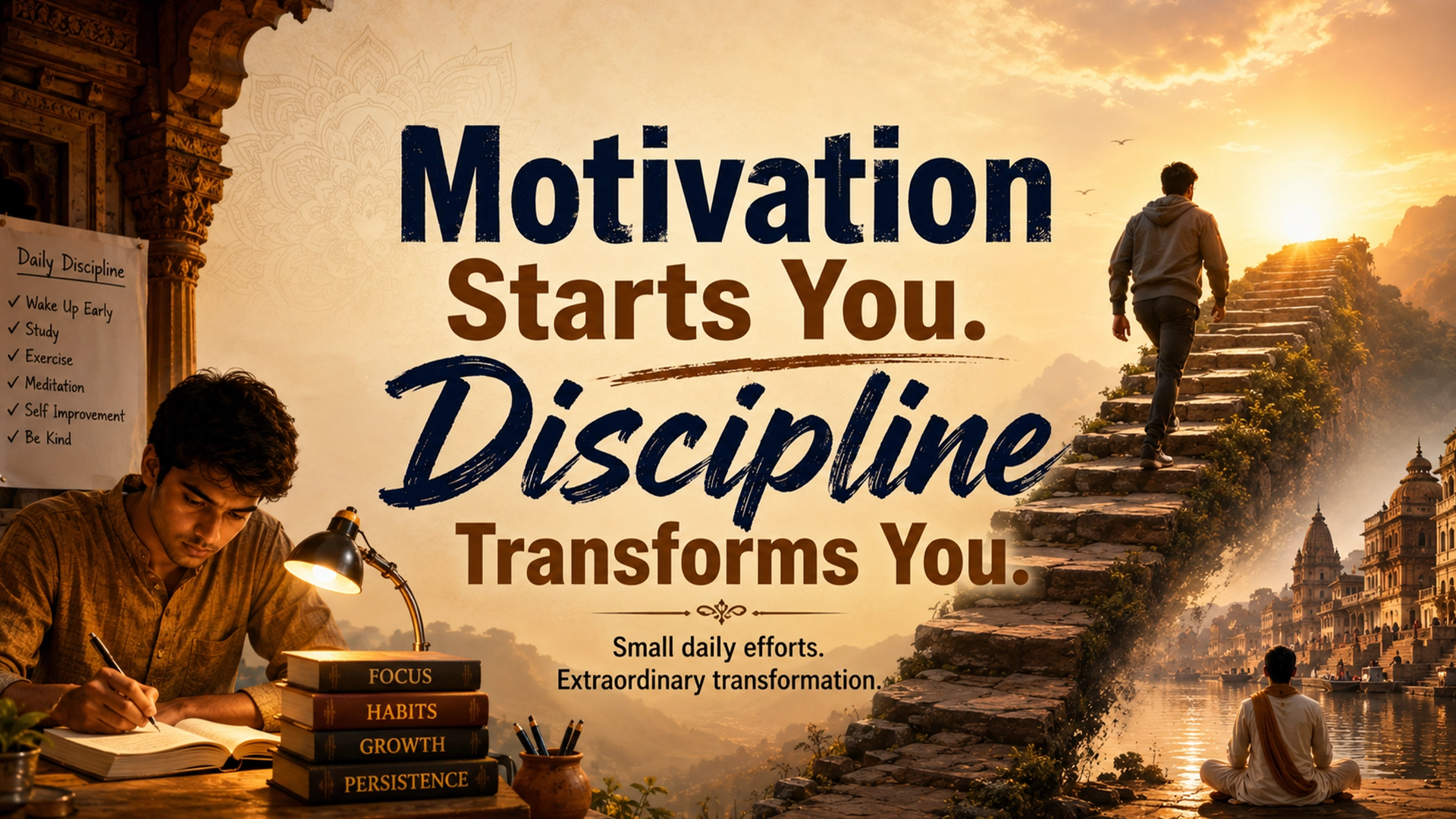
Inner peace is not built overnight. It is cultivated through small, consistent practices:
- taking moments of silence
- observing your thoughts without judgment
- choosing responses instead of reacting impulsively
- aligning your actions with your values
Over time, these practices reshape your inner world.
Conclusion
You may not be able to control life’s circumstances, but you can control how you experience them. When you master your mind:
- Chaos loses its intensity
- emotions become manageable
- clarity becomes natural
And gradually, you realise something powerful- peace was never something to be found outside. It was something to be created within.